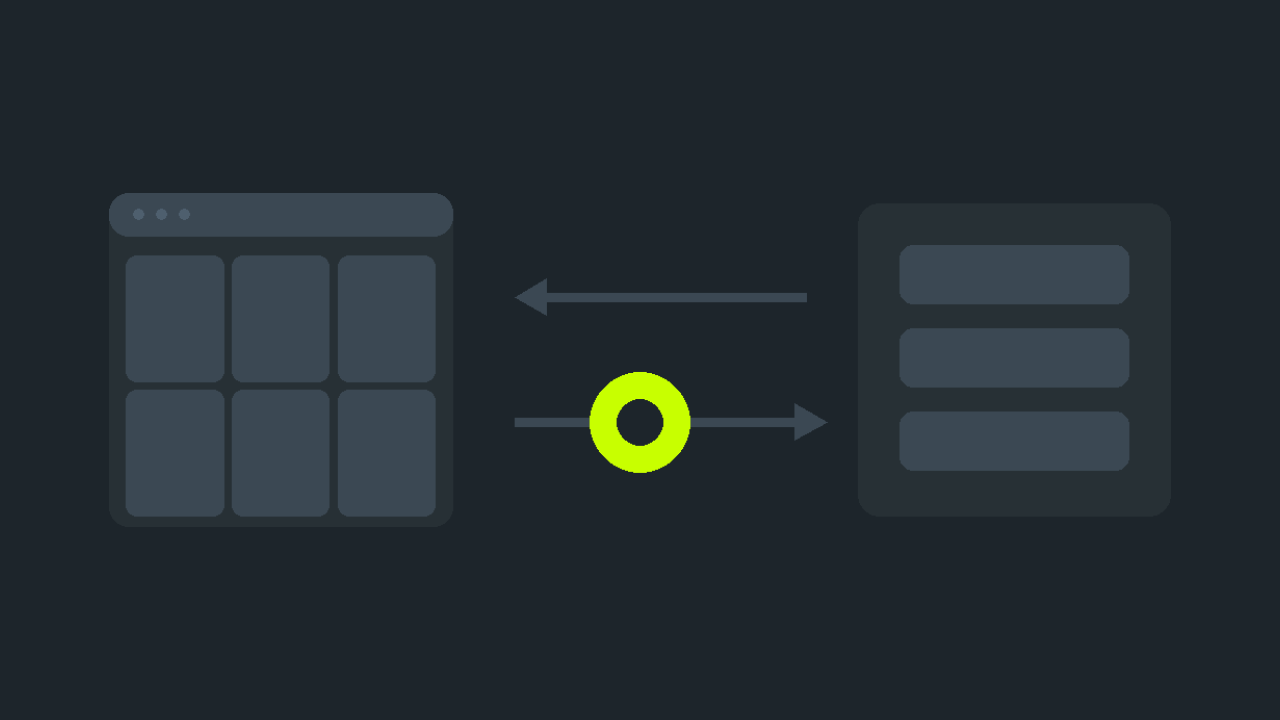
CommerCentr is a marketplace where the two sides of ecommerce meet. On one side, store owners who need something ready-made: a payment module, a courier integration, a complete store build, a developer for one specific job. On the other, the people who can build it — programmers, designers, SEO specialists, agencies. Our job is to let money and code move between them without middlemen, without either side carrying the risk, and without a commission we would be embarrassed to name.
Here is how it actually works, with the numbers that live in the code rather than in a pitch deck.
Who we are and how long we have been here
We have been in ecommerce since 2013 — first under the BroCart brand, building modules and turnkey stores. Which means this marketplace was not designed by product managers: it was built by people who spent years selling modules themselves and ran into every problem it now solves. Clients who vanished before paying. Plugins pirated after the first sale. Platforms that took half the invoice.
CommerCentr is that same work done on our own terms. The platform runs on our own engine — PHP 8.4, MySQL, no external dependencies — and we give that same engine away for free as the Community build, because the stores running our CMS are the marketplace's ecosystem.
If you run a store: what you can buy
The catalogue groups extensions by the job they do:
Payments LiqPay, monobank — card acceptance and refunds implemented to the gateways' official specifications Shipping Nova Poshta, Ukrposhta, Meest — branches, rate calculation, waybills SEOXML sitemap; llms.txt — a description of the store for AI agents Fiscalisation Checkbox — fiscal receipts for the Ukrainian tax authority Marketing "Buy 2 get 3" promotions, newsletter signup with a coupon, trust bar, product badges Compliance GPSR, UKCA, Prop 65 — mandatory labelling for selling into the EU CMS and builds The free Community build, plus the paid Starter and Pro editionsEvery module comes in two tiers. Base covers the typical need and is often free. Pro adds what higher-turnover stores need. Pro code never physically enters the free package — it arrives as a separate signed archive after purchase, rather than sitting on your server disabled by a licence check.
A purchase is bound to a specific site of yours: at checkout you choose which of your stores the module goes to, and updates then arrive there on their own.
If you build things: 70% is yours
The marketplace's defining number is that the seller keeps 70% of every sale, with a 30% platform commission. For comparison, on the large global digital-goods platforms an author often sees around half. This is not an introductory rate — it is set in the platform's configuration, and every payout is calculated from it.
What you can sell:
- Finished plugins — with a one-off, monthly or time-limited licence, your choice.
- Digital goods — a downloadable file, a licence key (generated or from your own pool, with an activation limit), or a subscription with auto-renewal and a trial period.
- Your time — through the services exchange: plugin development, store migration, redesign, SEO audit, custom work.
- Ongoing maintenance of someone else's store — by forking the client's CMS: you maintain their build and ship changes as signed patches, and the system physically will not let you touch the core. A one-off project becomes a long-term contract.
Anti-piracy is built in: a licence is an Ed25519 cryptographic signature issued for one specific client installation. Copy the files to another site and they simply will not activate.
Escrow: money that does not disappear
This is the reason a marketplace should exist at all. For every service and campaign, the client's money is held in escrow — already debited from their wallet, but not yet the contractor's. It is released in stages, as the client accepts the work.
The contractor no longer works on a promise, and the client is not paying into thin air. If the two cannot agree, the dispute goes to arbitration by the platform, which has exactly two options: release the funds to the contractor or return them to the client.
Internally everything is denominated in airy, the platform currency, and every movement of funds is written to a ledger that cannot be altered after the fact — entries are only ever appended. Withdrawals go to a bank account, PayPal, Wise or a card once identity is verified.
The services exchange: from brief to acceptance
A client posts a brief — plugin development, migration, redesign, SEO audit, custom work, or something else entirely. Contractors send proposals with a price. Then comes two-way negotiation: a proposal can be declined or answered with a counter-offer, and the full history of rounds stays in the order's chat rather than in a private conversation that proves nothing later.
Once terms are agreed the amount moves into escrow, the work is split into milestones, and each milestone is accepted separately.
Drop campaigns: a price that falls as more people join
An auction in reverse. Instead of the price rising as buyers compete, it falls as participants join: the more people inside the campaign window, the less each one pays. Funds sit in escrow until the window closes, and settlement then happens at the final price for everyone at once.
It works for group buying of a product and for pooling funds toward development alike — when ten stores need the same module and it pays off for none of them alone. Current campaigns are in the drops section.
The partner programme: a rate that grows
If you have an audience, you can earn from recommendations. Commission is calculated five levels deep — 5%, 3%, 2%, 1% and 0.5%. A partner's tier rises automatically with turnover and multiplies the rate, from ×1.0 at the start to ×2.5 at the top. Payouts reach your wallet after a seven-day hold.
One thing worth stating plainly: partner payouts come out of our commission, not the seller's money. The author of a module keeps their 70% no matter how many partners sit in the chain. The same applies to referral discounts — a partner funds their reader's discount from their own share, and the seller still receives the full price.
The technical side that affects sales
Performance. The storefront is server-rendered: the page shows content before JavaScript loads, and both search and AI crawlers see finished HTML. The catalogue runs on our own faceting engine, with no external search service to become an extra point of failure on modest hosting. [TODO: add production LCP and response-time measurements after launch.]
Filters and presets. Faceted filtering is the biggest SEO trap in ecommerce: every combination of checkboxes creates a URL, and the site drowns in its own duplicates. Here, filter URLs are readable segments, and any combination that does not narrow the result set points its canonical tag at the clean category. Separately, facet presets — hand-picked combinations backed by real search demand — become full landing pages.
Structured data. Every page emits a connected JSON-LD graph: a product as Product with an Offer, a category as CollectionPage, an article as Article linked to the product it is about. An AI system sees structure rather than a pile of text. We deliberately do not generate FAQ markup — Google retired its rich results in May 2026.
MCP server. The platform ships with a built-in MCP server — the standard protocol through which AI assistants such as Claude or ChatGPT connect to external systems. A seller issues a scoped token and the agent works with the catalogue directly: reading products, drafting descriptions and meta tags. Catalogue drudgery goes to an agent without writing integrations — and when transactional AI agents start buying on people's behalf, the store is readable to them from day one.
Where to start
Buying — browse the catalogue, or go straight to the free Community build if you do not have a store yet. Editions are compared on the pricing page.
Selling — submit a seller application, and once it is reviewed your developer dashboard opens with products, orders and payouts. You can see what an author's storefront looks like on the developer profile.